Introduction
In an emergency situation, every 2nd counts. When confronted with a casualty, the ability to examine their breathing can be the difference between life and death. This write-up provides comprehensive guidance on Checking a Casualty's Breathing: Quick Tips for Lifesavers while guaranteeing you maintain calmness under pressure. We'll look into different aspects of analyzing breathing, discuss standard vs sophisticated life support, and supply necessary suggestions that every lifesaver ought to know.
Understanding the Importance of Checking a Casualty's Breathing
Breathing is among one of the most crucial indicators of life. Without effective respiration, essential body organs can start to FirstAidPro Perth fall short within minutes. Hence, knowing exactly how to check for breathing properly is necessary for anybody who may find themselves in a position to help someone in distress.
Why Breathing Matters?
- Oxygen Supply: The body needs oxygen to function. Circulatory Function: Breathing sustains circulation with gas exchange. Immediate Response: Quick evaluation enables timely interventions.
Role of BLS Qualification in Emergency Situation Situations
A Basic Life Support (BLS) certification gears up individuals with the skills needed to respond properly in emergencies. This training stresses the significance of examining a casualty's breathing as one of the very first actions taken.
Basic vs Advanced Life Support
Understanding the distinction in between basic and innovative life assistance is crucial for comprehending your role during an emergency.
What is Basic Life Support (BLS)?
BLS includes:
- Chest compressions Rescue breaths Automated Outside Defibrillator (AED) usage
These steps are basic and designed to preserve blood flow till sophisticated clinical help arrives.
What is Advanced Life Assistance (ALS)?
ALS incorporates:
- Endotracheal intubation Medication administration Advanced tracking techniques
When to Use BLS vs ALS?
In most common emergencies, BLS is your very first line of defense. ALS generally comes into play once expert help has gotten here or in extra complicated situations requiring specialized intervention.
The Initial Approach: Checking Responsiveness
Before you examine a casualty's breathing, it's essential initially to evaluate their responsiveness. Here's how:
Tap and Shout: Gently tap their shoulder while noisally asking if they're okay. Check for Movement: Search for any indication of feedback; this could indicate consciousness. Assess Setting Safety: Ensure that it's safe to approach them.Why Inspect Responsiveness First?
This step assists establish if immediate resuscitation efforts are necessary or if you can wait for help without intervening.

Checking Casualty's Breathing: Detailed Guide
Now that you've examined responsiveness, it's time to concentrate on breathing. Comply with these steps:
Positioning: Carefully roll the person onto their back if they aren't already. Open Airway:- Tilt the head back carefully by putting one hand on their temple and using 2 fingers from your other hand under their chin.
- Place your ear near their mouth and nose. Look at their upper body for movement. Feel for breath on your cheek.
Identifying No Breathing vs Abnormal Breathing
If you see no upper body surge or feel airflow, this indicates no breathing has occurred-- a crucial indication which necessitates prompt activity like calling emergency situation solutions or beginning CPR.
Public Defibrillator Usage
Knowing exactly how and when to make use of an Automated External Defibrillator (AED) can be lifesaving:
Identify an AED nearby. Power it on and comply with voice prompts. Attach pads properly according to illustrations provided with the device.Importance of AEDs in Cardiac Arrest Situations
AEDs are developed to examine heart rhythms and provide shocks when required-- important throughout incidents where typical heart rhythms discontinue due to absence of oxygenated blood flow.
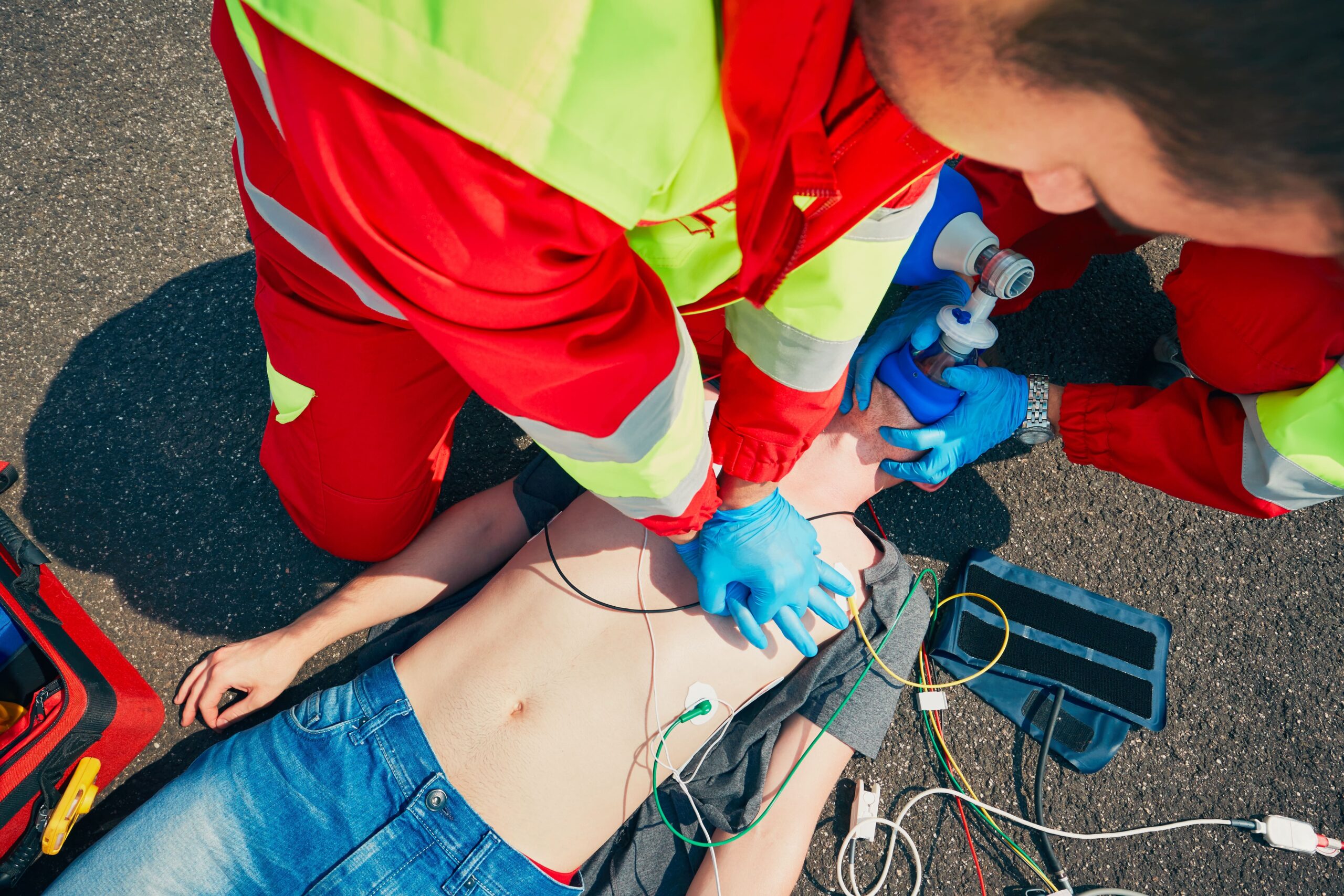
Taking Switches on Compressions: The Team Effort Aspect of CPR
When carrying out CPR with others existing:
Organize duties beforehand-- that will manage compressions versus rescue breaths? Switch every 2 minutes or after 5 cycles of mouth-to-mouth resuscitation to stay clear of tiredness that can cause reduced compression deepness or slow compression rate.Why Taking Transforms Matters?
Fatigue can prevent efficient compressions; alternating ensures top quality performance throughout resuscitation efforts-- keeping blood moving successfully until help arrives.
Maintaining Composure Throughout Emergencies
Staying calmness is vital throughout emergency situations:
Take deep breaths before coming close to the casualty. Focus on doing each step systematically as opposed to panicking about outcomes. Rely on your training; remember that even small actions can dramatically influence survival chances.Tips for Composure Under Pressure
- Practice mindfulness methods regularly. Engage in normal BLS training sessions to really feel prepared for real-life situations.
Hospital Codes and Procedures Relevant to BLS Providers
Familiarizing yourself with hospital codes can enhance communication efficiency when emergency situation solutions arrive:

How Recognizing Protocols Conserves Time?
Knowledge about healthcare facility protocols ensures smoother shifts from public assistance to professional treatment, enabling quicker actions Perth First Aid by clinical groups upon arrival at the scene.
FAQs Regarding Inspecting a Casualty's Breathing: Quick Steps for Lifesavers
1. What need to I do if I can not detect breathing?
If no breathing is found after checking thoroughly, start mouth-to-mouth resuscitation right away while calling emergency situation services if not done yet.
2. For how long need to I look for responsiveness?
A fast evaluation lasting no more than 10 secs ought to suffice before making a decision whether further action is needed.
3. Is it alright to carry out CPR if I'm unclear regarding breathing?
Yes! If there's unpredictability regarding breath discovery yet indications show unresponsiveness or distress-- start CPR as it can conserve a life!
4. Can I utilize an AED without formal training?
Yes! AEDs are user-friendly tools made with clear guidelines; also inexperienced individuals can operate them effectively in emergencies.
5. Just how frequently need to I recertify my BLS skills?
It's a good idea every 2 years; practice maintains abilities fresh and prepares you better for real-life scenarios!
6. What happens if I make a mistake while performing CPR?
While errors might occur, concentrating on providing support instead of perfection is key; actions taken are much better than not doing anything at all!
Conclusion: Your Role as a Lifesaver Matters!
Checking a casualty's breathing may appear straightforward, but understanding its intricacies-- and having confidence in your abilities-- can profoundly influence survival prices in emergency situations! By complying with these actions detailed here today pertaining to Checking a Casualty's Breathing: Quick Tips for Lifesavers, you equip yourself with expertise that might potentially save lives!
Stay informed via routine training sessions such as acquiring BLS accreditation and technique drills making sure preparedness whenever contacted! Keep in mind-- the next time you're faced with an emergency circumstance-- it might effectively be your fast thinking that makes all the difference!
First Aid Pro | First Aid Course Perth (RTO 31124) is one of Australia’s leading providers of accredited First Aid and CPR training. We specialise in Basic Life Support, CPR & First Aid, NDIS HISS, AED, and many other accredited courses. Our training is both convenient and comprehensive, combining online and face-to-face learning options to suit your needs. Keep your first aid certificates up to date with same-day certification upon completion. Plus, find a lower price, and we’ll instantly beat it by 10%! Conveniently located at 195 Adelaide Terrace, Perth, WA 6004. Visit our website for course dates, directions and parking details.
First Aid Pro | First Aid Course Perth (RTO 31124) is a nationally recognised leader in First Aid and CPR training. Our Perth training centre delivers accredited courses including CPR, Basic Life Support, AED, NDIS High Intensity Support Skills (HISS), and comprehensive First Aid certifications. We make training flexible and convenient with a blend of online learning and practical, face-to-face classes. Get same-day certification so you can stay compliant and confident in emergencies. Plus, with our Price Beat Guarantee, if you find a lower price, we’ll beat it by 10% on the spot. Located at 195 Adelaide Terrace, Perth, WA 6004, our venue is central, easy to access, and designed for a great learning experience. Visit our website to check course dates, directions, and parking details.